Airport Passenger Experience & Queue Analytics
Real-time queue and passenger flow insights for airport operators to improve passenger processing, terminal operations, and service levels
Flow Analytics by AGC helps airport operators improve passenger experience and day-to-day airport operations with privacy-first LiDAR and real-time analytics. Monitor waiting time, queue length, throughput, density, dwell time, and service levels across critical terminal touchpoints, so you can act earlier, reduce friction in the passenger journey, and keep terminal performance more predictable during peaks and disruptions.
Monitor Passenger Flow Across Critical Passenger Processing Areas
Passenger experience is shaped by what repeats all day across the terminal: check-in, security screening, border control, boarding, and how smoothly people move between them. When queues behave unexpectedly or circulation starts to break down, stress rises quickly and the effects spread across airport operations.
Flow Analytics by AGC helps teams see what is happening in real time, understand where pressure is building, and respond before service levels fall or bottlenecks affect terminal performance.
From check-in to boarding, see how Flow Analytics by AGC helps airports monitor flow where it matters most.
✔
Departure
hall
Spot congestion before it becomes overcrowding and disrupts passenger movement.
✔
Check-in
and bag drop
Understand queue length, waiting time, and throughput during peak waves.
✔
Security
screening
Detect queue build-up early and track the effect of lane changes and staffing actions.
✔
Boarding control / immigration
Measure service levels in real time and identify bottlenecks by time of day and arrival patterns.
✔
Boarding
gates
Monitor density, dwell time, and flow patterns to keep boarding areas predictable.
Recent Airport Crowd Management Implementation
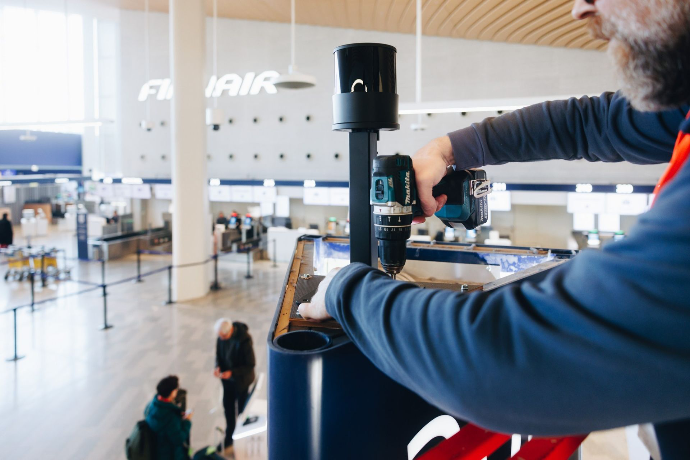
Flow Analytics by AGC has been implemented at Helsinki Airport to monitor passenger flow in the departure hall. The LiDAR-based system tracks how travellers move through various circulation zones, providing live queue times, density heatmaps, dwell-time insights, and operational visibility. The project supports safer operations, better terminal performance, and an improved passenger experience while protecting privacy.
What We Measure Across the Terminal
Queue monitoring
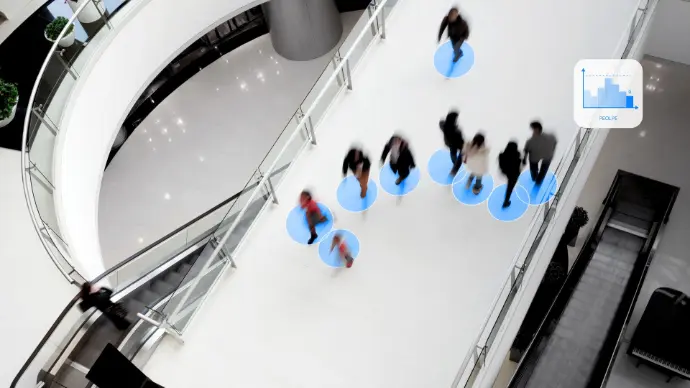
Track each queue from join to service to understand waiting time, queue length, throughput, and service level performance. Spot passenger processing bottlenecks early, quantify their impact, and validate improvements after operational changes.
Dwell time analysis
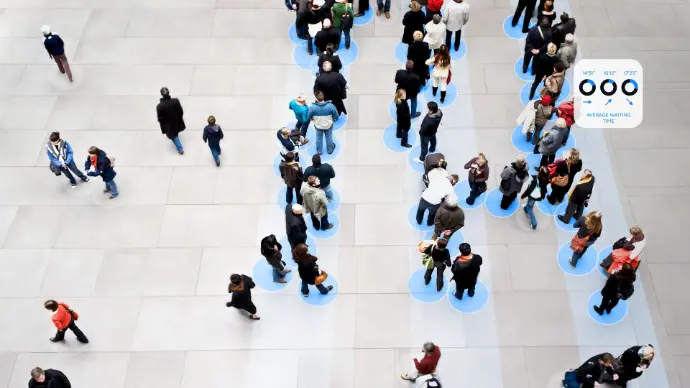
Measure time spent in waiting areas and key zones to highlight both risks and opportunities for better service, layout, commercial planning, and passenger guidance.
Flow tracking
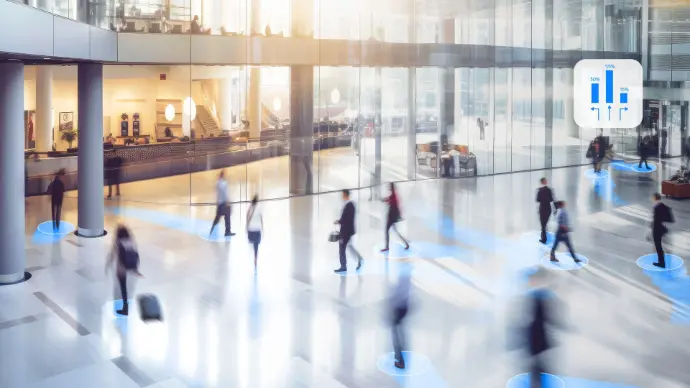
Visualize end-to-end terminal flow across entrances, check-in areas, security checkpoints, border control, departure halls, concourses, and gates. Identify where congestion builds, how pressure shifts between zones, and how passenger flow affects terminal performance.
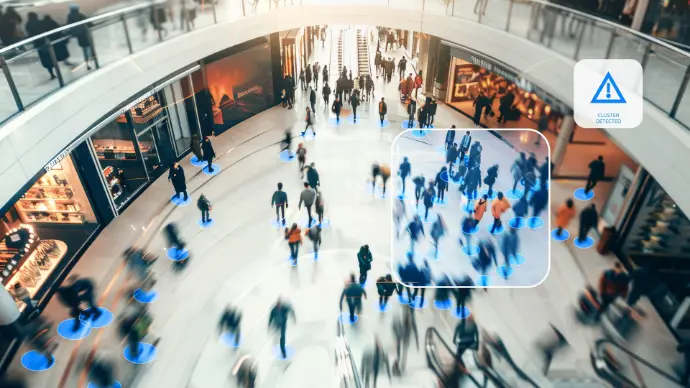
Cluster detection
Monitor crowd density continuously and trigger alerts when areas approach unsafe or uncomfortable levels of occupancy, supporting operational decision-making and control room awareness.
How It Works
Why LiDAR? Moving Beyond Legacy Video Analytics
Most airport operators rely on camera-based systems designed for security, not spatial intelligence. While video is great for identification, it fails in the complex, high-density environments of a modern terminal. Flow Analytics uses 3D LiDAR to provide the ground truth.
Solving the "Occlusion" Problem
In a packed security queue, a 2D camera sees a "mass" of pixels. If a tall passenger stands in front of a child, the child disappears from the count.
Our LiDAR solution creates a high-definition 3D point cloud. Because the pulses travel in three dimensions, the system distinguishes between individuals even in shoulder-to-shoulder conditions. You get a "digital twin" of your passenger flow, regardless of how crowded the terminal becomes.
Actionable Intelligence, Not Just Images
Video analytics often requires massive bandwidth to stream high-def footage to a server for processing.
- Edge Processing: Our LiDAR sensors process data at the source.
- Low Bandwidth: Only anonymous data is sent to your dashboard.
- Zero Liability: You can’t leak what you never collect. By removing the "human face" from the data stream, you remove the primary cybersecurity risk associated with passenger tracking.

Privacy-first sensors designed to exclude personal data
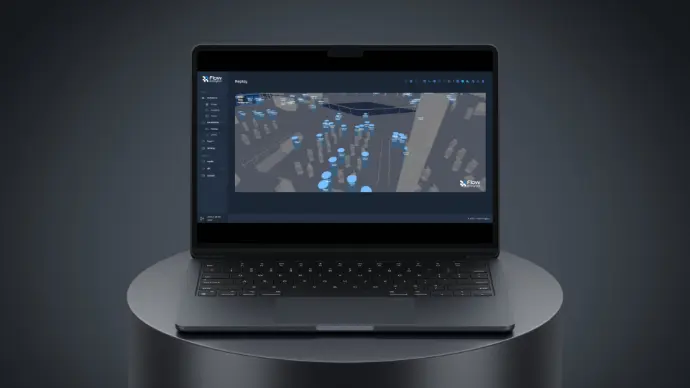
Real-time and historical insights from the same system

Reliable performance in busy terminals and changing operating conditions
What Airport Teams Get
Operational Actions Airport Teams Can Support
With Flow Analytics by AGC, airport operators can:
- reallocate staff to areas where queues are building in real time
- adjust passenger guidance, signage, or announcements based on live density and flow data
- evaluate lane changes and processing adjustments using before-and-after evidence
- support terminal planning and airport capacity planning with real usage data
- demonstrate compliance with safety and crowd-management requirements
Improve the Passenger Journey
from Parking to Gate
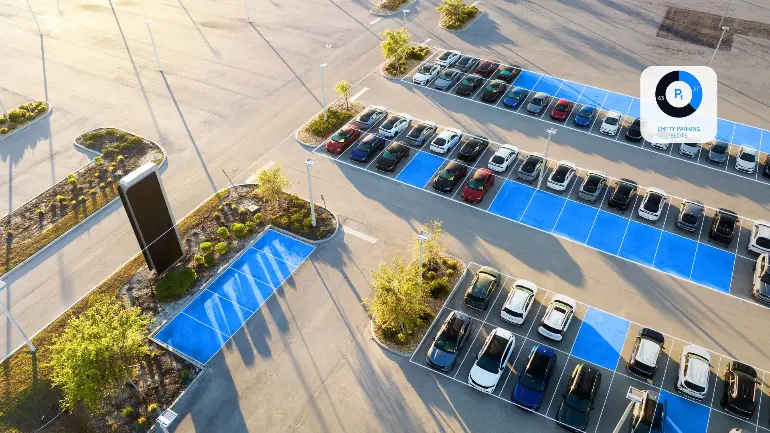
Flow Analytics by AGC supports airport teams with solutions for both terminal flow and airport parking, helping create a smoother and more predictable passenger journey from arrival to departure.
Why Airport Operators Choose Flow Analytics by AGC ?

Privacy-first
Our solution excludes faces, personal identifiers, and personal data. It relies on anonymous 3D LiDAR data, making it suitable for public environments and privacy-sensitive airport operations.

Accurate and detailed
Movements are tracked with a high level of precision, enabling reliable counts, density measurement, dwell-time analysis, and trajectory insight across complex passenger environments.

Proven in real-world conditions
Built to perform in busy terminals and changing conditions, the system delivers stable insights where operations depend on accurate, real-time visibility.
Actionable for operations and planning
We do not stop at raw data. We deliver operational dashboards, reports, and structured outputs that support day-to-day decisions, terminal planning, and long-term improvement.